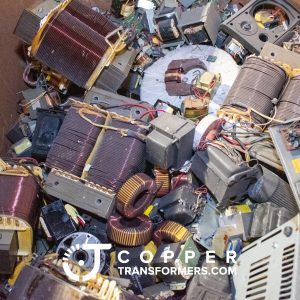
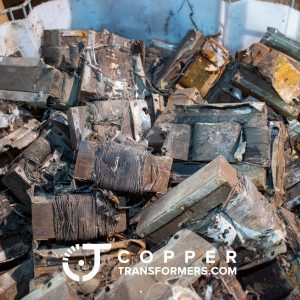
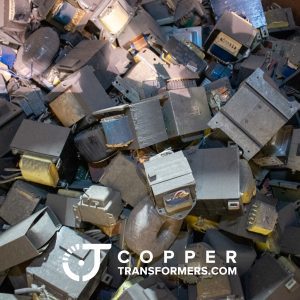
Transformers are significant components to different products; for example, televisions, printed circuit boards, tools, machines and more.
A transformer is a passive electrical device that transfers electrical energy starting with one electrical circuit then onto the next, or multiple circuits.
The individuals who recycle transformers can make a profit as the incentive for transformers is high because of their heavy weight from steel casing and abundance of copper or aluminum wiring.
Transformers can differ in size and variety depending upon where they’re from and what they’re used for. Recyclers frequently deliver material from transformers on pallets wrapped with stretch wrap, metal or plastic strapping, or secured with ties.
Transformer recycling starts when the transformers show up at the facility. We can disassemble, sort and clean oil transformers and process recyclable components. The process for recycling transformers takes into consideration the returning of secondary raw materials into the production process. During the process, tagged equipment assists with tracking and evaluation.
In fact, finding PCB oil is common during equipment testing. Additionally, it is carcinogenic and damages the environment. Transformer recycling incorporates oil processing and recycling too.
At that point, sorting of waste into components allows the ability to deal with every component as a resource. Recycling aluminum, steel, copper and other similar substances is overseen by the law to ensure the best quality. The last stage in recycling transformers is repurposing the tank.
Electrical transformers can require hazardous waste removal because of the huge amount of current applied to the primary coil and induced in the secondary coil.